


 जांच भेजें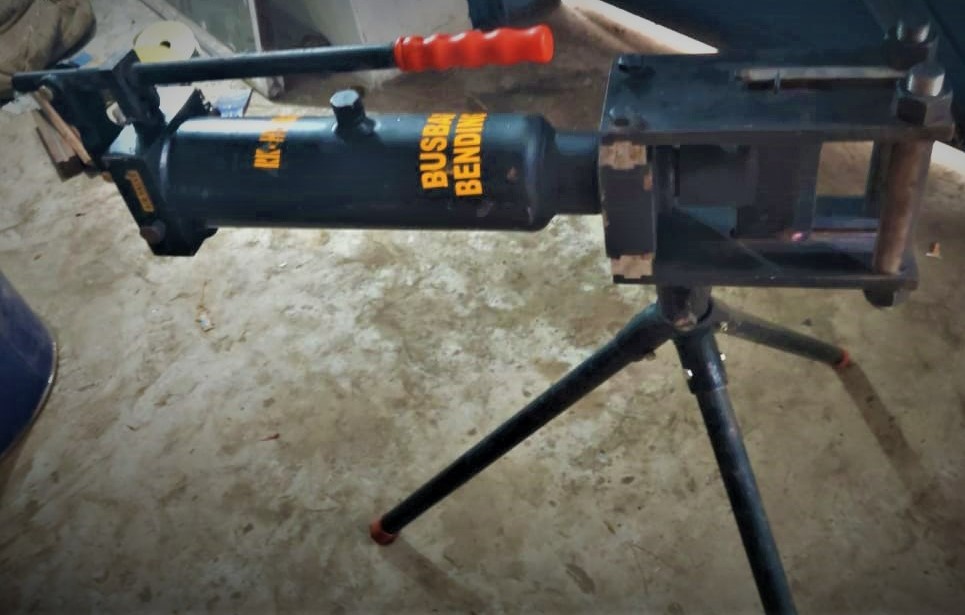

उत्पाद की विशेषताएं
- उत्पत्ति का स्थान
- Manual busbar bending machine
- मशीन का प्रकार
- Manual busbar bending machine
- ऑटोमेशन
- Manual busbar bending machine
- झुकने की गति
- Manual busbar bending machine
- प्रॉडक्ट टाइप
- Manual busbar bending machine
व्यापार सूचना
- न्यूनतम आदेश मात्रा
- 1
- भुगतान की शर्तें
- आपूर्ति की क्षमता
- प्रति सप्ताह
- डिलीवरी का समय
- हफ़्ता
- मुख्य घरेलू बाज़ार
Tell us about your requirement

Price: Â
Quantity
Select Unit
- 50
- 100
- 200
- 250
- 500
- 1000+
Additional detail
मोबाइल number
Email

अधिक Products in Bending Machines Category
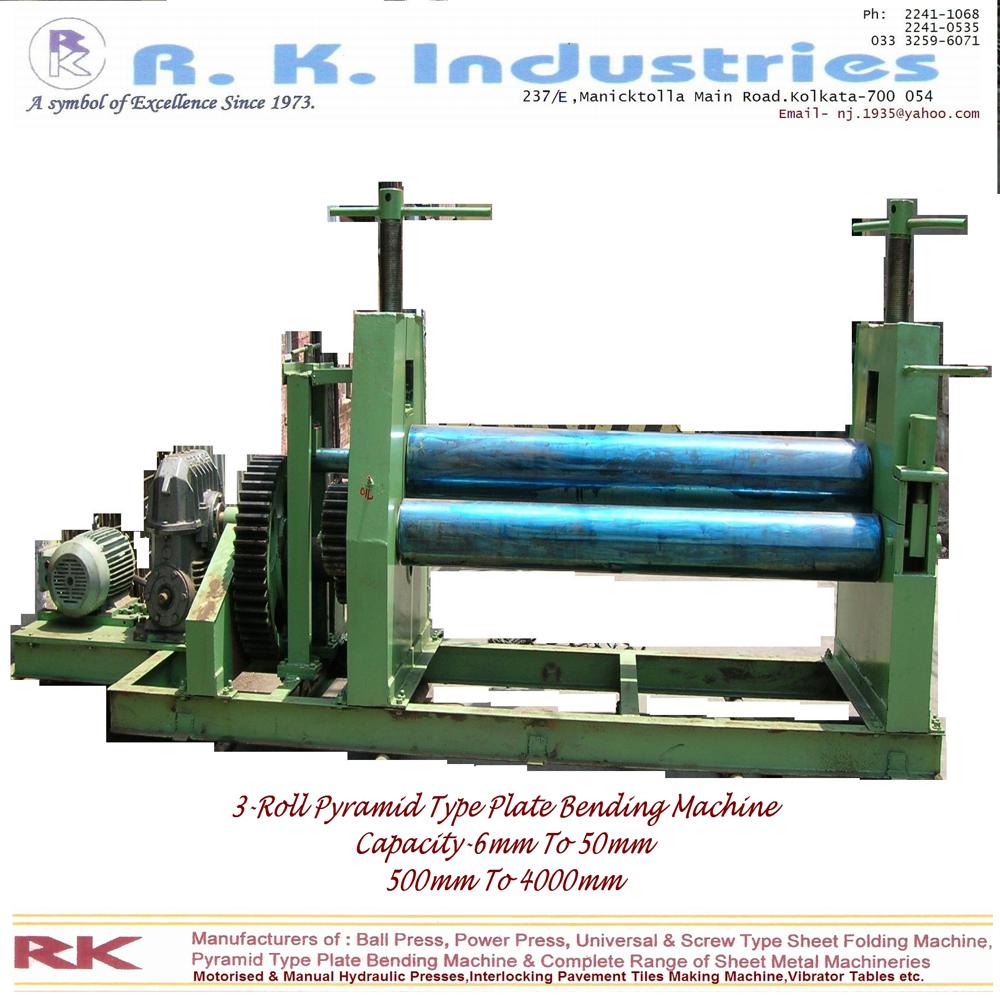
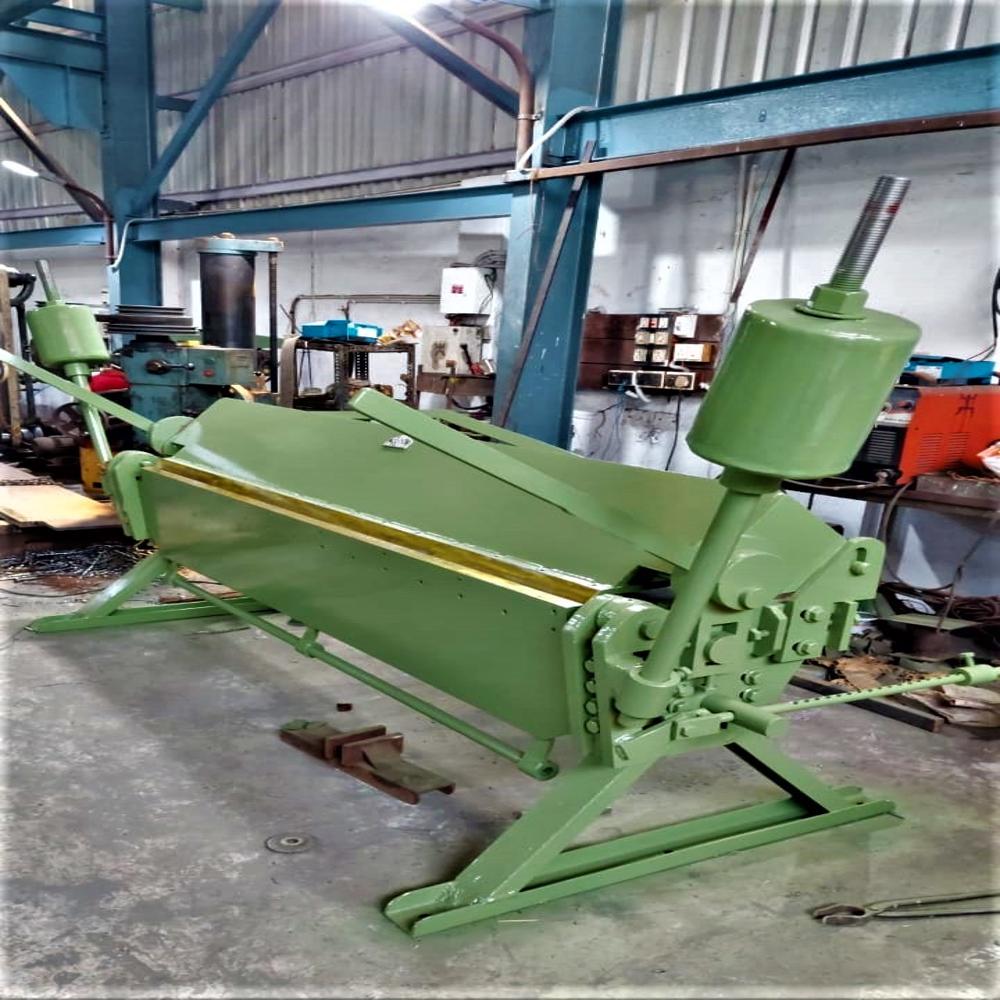

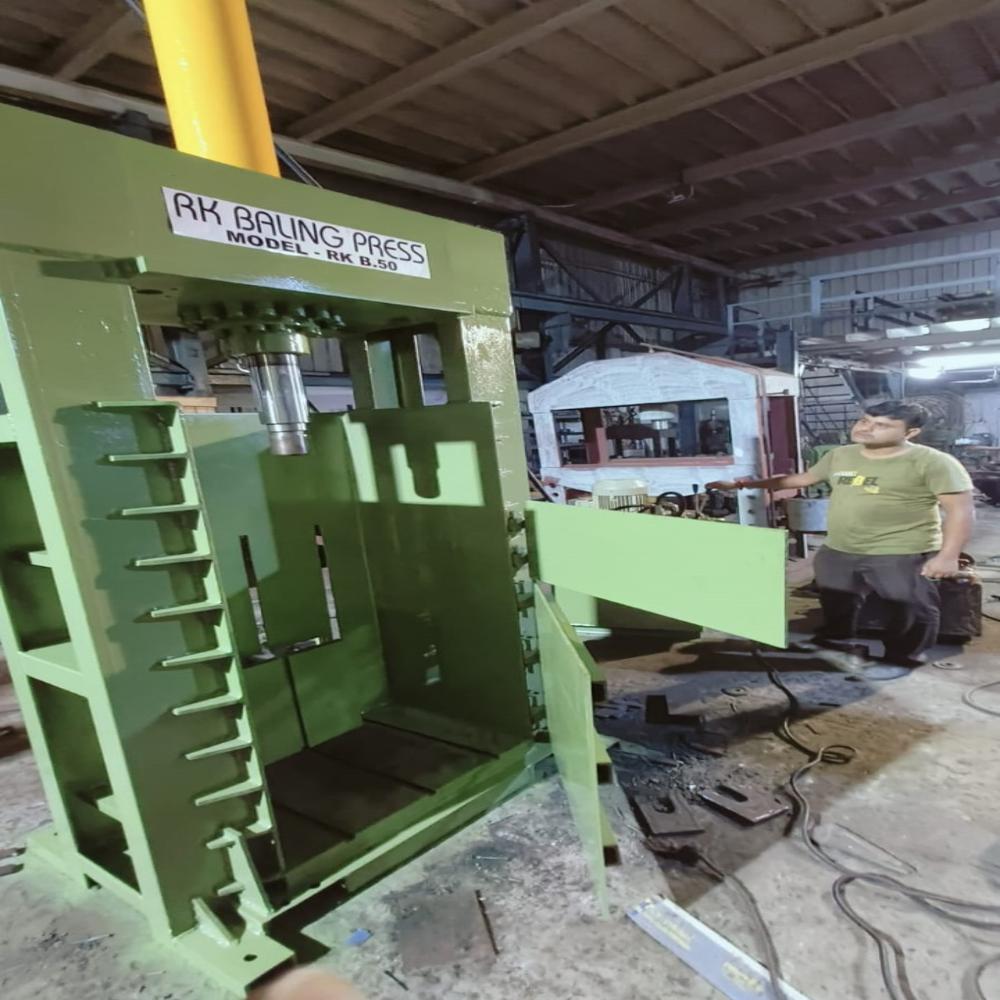

R K INDUSTRIES
सर्वाधिकार सुरक्षित.(उपयोग की शर्तें)
इन्फोकॉम नेटवर्क प्राइवेट लिमिटेड . द्वारा विकसित एवं प्रबंधित
इन्फोकॉम नेटवर्क प्राइवेट लिमिटेड . द्वारा विकसित एवं प्रबंधित

